


How to Get Rid of Clothes Moths from Your Closet and Storage Areas
For such tiny quiet critters—Tineola Bisselliella, commonly known as clothes moths, can cause a lot of damage. For many, clothing has sentimental and financial value—even if you’re not a fashionista—having your personal items wrecked in your own home by these pests can be frustrating and upsetting.
Clothes moths are not the same as the ones you see flying around a light or the ones that infest kitchen pantries. but they are often mistaken for one another. If you notice holes in your clothing and you’re thinking you may have a clothing moth problem, or if you’re looking to actively prevent one, we provide more information below on what these pests are attracted to and how to keep them away.

Why Do Moths Eat Clothes?

While clothes moths are troublesome, the adults are not actually the ones responsible for eating your sweaters, it’s their offspring that eat holes into your wardrobe. Adult moths lay eggs that hatch into the real troublemakers—clothes moth larvae. These tiny brown worm-like pests feast on fabrics containing the protein keratin, which include wool, cashmere, mohair, and fur. They will also feed on synthetic material if it is soiled with body oil or food stains.
They are tiny and often go unnoticed—but even just one moth can lay hundreds of moth eggs! This means the issue can get out of hand quickly, so once you notice holes in your clothing, you’ll want to take the proper steps to get rid of them.
Identify the Pest
While you might feel certain that clothes moths are responsible for the holes in your clothing, many bugs eat fabric. The first step is to identify the type of pest that’s causing the problem.
- Webbing Clothes Moths (Tineola Bisselliella) – These pests are only about ½ an inch long and will hide if disturbed. These larvae spin silken tubes or patches of web as they move about. They leave behind waste that resembles sand and feed on fabrics including wool, cashmere, and mohair.
- Casemaking Clothes Moth (Tinea Pellionella) – The adult moths are small and often go unnoticed, while the larvae are easy to detect because of their tubular casing or cocoon. If you see a worm-like insect with a hard shell, it’s the larvae of the case-bearing clothes moth. These moths will often crawl off of clothing to spin their cocoon—look for them on walls, ceilings or crevices in shelving. The fabrics they are attracted to include fur, flannel, wool, soiled fabrics, and hair.
- Carpet Beetles – Carpet beetles are very common pests in North America and can also eat keratin fabrics. They resemble fuzzy worms and are oval-shaped with six legs and two antennae. They have rounded, hard bodies and wings beneath their shells. They like wool, mohair, fur, and feathers.
- Cockroaches – Cockroaches will eat anything they can find and are known to eat food that is attached to fabrics. They like perspiration, body fluid stains, hair, food and drink spills, and laundry starch. Cockroaches have flat, oval-shaped bodies with long skinny antennas.
- Silverfish – As their name suggests, these insects are a solid silvery or gray metallic color. They are attracted to cardboard but have been known to eat fabrics like silk and cotton.
- Firebrats – Firebrats may eat small holes in fabric. They are commonly found near bathtubs or sinks searching for water. They are cousins of silverfish and look very similar, though they are a brownish-gray color. Fabrics they eat include cotton, linen, and silk.
Items commonly infested with clothes moths include wool sweaters, cashmere sweaters, scarves, coats, blankets, rugs, down pillows and comforters, upholstery, and taxidermy mounts. Moth larvae prefer to feed in dark, undisturbed areas such as closets, chests, and boxes where clothing is stored for long periods. Clothing and blankets that are regularly used are less likely to be infested.
Moth damage in clothing typically typically appears as irregular holes or worn areas in the fabric. The holes vary in size and often occur in hidden areas or folds of clothing where more sweat and body oil residues may gather. In addition to holes, you might also notice thinning of the fabric and faded spots where the fibers have been chewed.
Keep your home pest free with simple, effective solutions. Subscribe and save!

How to Get Rid of Clothes Moths in 4 Steps
If you’ve noticed signs of moth damage on your clothing, follow these tips:
- 1. Discard infested items
- 2. Thoroughly clean items you’re keeping
- 3. Deep clean your closet and storage area
-
4. Prevent them from coming back
- a. Consider vacuum sealing or airtight containers
- b. Use a botanical repellent to prevent the pests
Each of these steps is explained in detail below.
1. Discard Infested Garments
Articles of clothing that are heavily infested with larvae, holes, or eggs should be thrown away. Dispose of any items that can’t be salvaged immediately, move them outside and do not let them sit inside a garbage bin in your home.
Keep your home pest free with simple, effective solutions. Subscribe and save!
2. Thoroughly Clean the Items You Intend to Keep
Dry cleaning—while it might not be the most eco-friendly option—is the most effective method for cleaning the items you intend to keep and killing any remaining moth larvae. If you’re lucky enough, your neighborhood might have an environmentally friendly dry cleaner. If not, some sources suggest washing affected clothes in hot water—130°F or warmer—can work, although this can be risky. Eggs could cling to your washer or dryer and find their way back onto other fabrics. Also, many washing machines can’t guarantee precise temperatures; if the water isn’t hot enough, the eggs will continue to hatch.
If you do decide to wash your clothes in extremely hot water, always read your labels first—some fabrics will shrink or wear down in hot water.
At the end of the day, it’s better to be safe than sorry—investing in professional dry-cleaning services could help you keep the items you want and will make your clothing a less attractive food source for these pests.
3. Deep Clean Your Closet or Storage Area
After your clothing storage area is empty, thoroughly clean the entire space. Start by vacuuming every corner of your closet, wardrobe drawers, and anywhere else where clothing is stored. Empty the vacuum cleaner vessel or bag and take to the garbage outside immediately.
Moth larvae love dark corners and openings, so seal up small crevices in the infested area with caulking to prevent these pests from coming back.
Steam your carpets, or have them professionally cleaned to ensure they’re free of eggs and larvae.
4. Prevent Moths from Coming Back
To avoid future infestations, consider these steps:
- Wash clothes after you wear them before storing them again. Dry-cleaning vintage or secondhand clothing before introducing it back into your wardrobe is a good option.
- Use plastic bags, garment bags, vacuum-sealed bags, or airtight containers to protect important clothing.
- Vacuum and clean your closet regularly.
- Keep your windows open throughout the day—they don’t like natural light.
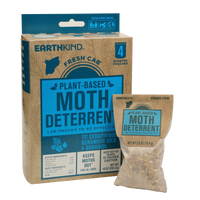
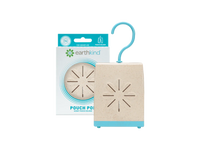
- Use a botanical moth deterrent, like Stay Away® Moths, to keep clothes moth infestations away.
Some homeowners try using Mothballs, which may seem like a great solution, but the main ingredient in mothballs — usually naphthalene — has been found to be very toxic to people and pets.
People also have known for a long time that certain scents can prevent moth infestations — that is why cedar chests have been the traditional place to store special items like a wedding dress or lace tablecloths. Unfortunately, the cedar oil disappears over time and becomes less and less effective.
Stay Away Moths repels webbing and casemaking clothes moths through the use of powerful, fast-acting ingredients. The unique blend of plant-based ingredients such as essential oils of cedarwood, geranium, and geraniol will continuously protect your wardrobe for 30 days. It works by emitting a natural scent that is pleasant to people but burdensome to pests. Shop Stay Away Moth pouches online or at a store near you.


