


Different Types of Beetles & How to Identify Them
What do mysterious pinholes in wood flooring, furniture, or trim, damaged carpets and fabric, and discolored or foul smelling flour have in common? These are all telltale signs of a beetle infestation, a surprisingly common problem for many homeowners across North America.
While beetles aren’t always top of mind when we think of indoor pests, they can cause serious damage to food, furniture, fabric, and even the structure of your home. Learn how to identify the common types of beetles you’re likely to see in your home, understand their life cycle, and take effective pest management steps that can save you a lot of stress down the road with our in-depth guide.
Common Beetle Types Found Indoors
There are over 350,000 known species of beetle in the world, and many of them fall under the insect order Coleoptera. However, only a small number are considered indoor pests. Below are some of the most common types of beetles you might encounter in or around your home:
1. Wood-boring beetles
Often found in attics, crawl spaces, or wooden furniture, wood-boring beetles lay eggs in cracks of wood, where their larvae (grubs) bore through timber, leaving behind costly structural damage. They are found all over the United States. Signs of these pests include small round exit holes, powdery frass that resembles sawdust, and sometimes even the presence of dead insects near wooden surfaces.
Common wood-boring beetles include:
- Deathwatch beetle.
- False powderpost beetle.
- Powderpost beetle.
These beetles often have wing covers that are reddish-brown or dark in color, which can make them difficult to spot on wood surfaces. Their bodies are typically slender and elongated, and while the adult beetles are short-lived, their larvae can remain hidden and active in the wood for years, silently causing damage.
2. Pantry beetles
These pantry pests are a cause for concern because of the damage they cause to stored products and packaged food. Pantry beetles infest stored foods like flour, cereal, and dry pet food. Look for them in your kitchen, pantry, or even closets near dry goods.
Common pantry beetles include:
- Drugstore and cigarette beetle.
- Warehouse beetle.
- Sawtoothed grain beetle.
- Merchant grain beetle.
- Merchant grain beetle.
Adults are small, tubular, and can range from light brown to dark brown in color. These beetles often appear around window sills as they try to escape.
3. Carpet beetles
These pests can be found throughout the United States and are noted for the damage they cause to fabrics and upholstered furniture. Carpet beetle larvae are the real culprits here. They feed on natural fibers like wool, silk, and leather, causing damage in closets, under rugs, or within furniture seams.
Species to watch out for:
- Varied carpet beetle.
- Furniture carpet beetle.
- Black carpet beetle.
These beetles are oval-shaped and covered with tiny scales. Black carpet beetles, in particular, are easy to miss due to their dark coloring and small size.
4. Ground Beetles
While ground beetles are more commonly found outdoors, they may wander indoors by accident. They’re typically shiny, black or dark-colored, and prefer hiding under rocks or wood debris. Indoors, they’re harmless but unwanted visitors.
5. Lady Beetles (Ladybugs)
While often seen as beneficial insects outdoors, ladybugs (also known as lady beetles) can become a nuisance when they seek warmth inside homes during colder months. They tend to gather in attics or near window sills, especially on the sunny side of homes. Ladybugs are small, dome-shaped beetles, typically red or orange with black spots on their backs.
6. Stink Beetles
Commonly known as stink bugs, these are found primarily in the western U.S. Stink beetles emit a strong odor as a defense mechanism. Although they are not dangerous, their smell can linger on surfaces and fabrics for weeks. These beetles are shield-shaped and usually dark brown or black in color.
7. Japanese Beetles
Japanese beetles are destructive outdoor pests that occasionally find their way indoors. Their larval stage (white grubs) feed on lawn roots, while adults munch on garden plants. They’re identifiable by their metallic green bodies and copper-colored wing covers.
When it comes to the damage these pests can do within the home, it’s mostly beetle larvae that cause the destruction. Adult beetles that find their way indoors may lay eggs inside of the house or structure. The larvae will then look for food sources and can cause damage to items including clothing, stored foods, furniture, wood, and more
Beetle Life Cycle and Identification
Beetles undergo complete metamorphosis: egg, larval stage, pupa, and adult beetles. Most indoor damage occurs during the larval stage, when beetles feed on food sources such as fabrics, wood, or grain-based products.
They are generally identified by their hardened, shell-like bodies which appear to have a line running down their backs. They come in a wide variety of shapes, sizes, and colors. Despite its appearance, a beetle does not, in fact, have a shell. Two hardened wings create the appearance of a shell and cause a line running down the beetle’s back where the wings meet.
You can recognize beetles by their:
- Hardened wing covers (called elytra) with a distinct line down the back
- Antennae that vary in shape and size depending on the species
- Variety of colors from reddish-brown to black
If you’re finding beetle larvae, grubs, or adult beetles in your home—especially around pantry shelves, furniture, or window sills, it may be time to take action.
Identifying Beetle Damage
You may see the damage these pests are causing before you see the insects themselves, so they can be tricky to identify. Below we go over how to identify beetles and also provide pictures of each type:
- Wood-boring beetles leave behind frass, or the waste they pass, which may look similar to sawdust. They also leave small, round or oval-shaped exit holes where they emerge from wood. This type can range in color anywhere from reddish-brown to black.
- Pantry beetles can cause flour to become discolored and give off a foul odor. They may also be seen in flour, and have a small tubular appearance. Adults are typically a shade of brown ranging from light to dark.
- Carpet beetles prefer dark, undisturbed places such as the seams of furniture, or underneath rugs and carpets. This makes it very difficult to spot the beetle, or the damage it is causing. Adults typically have a black or brown base color and may also have markings.
- Stink beetles leave an offensive odor on items they come into contact with that may last for weeks. They are darker in color, typically a shade of dark brown or black.
Natural Pest Control and Beetle Prevention
The best way to get rid of these common beetles is to prevent an infestation before it begins. Knowing the signs of a beetle infestation, the damage they can cause, and what they are attracted to will make it easier to prevent the problem.
Some tips include:
- Inspect furniture, food packaging, and textiles before bringing them into your home.
- Store pantry and pet foods in airtight containers to keep out grain beetles, cigarette beetles, and other pantry pests.
- Clean and vacuum storage areas, especially attics, closets, and under furniture.
- Seal cracks and gaps in doors, baseboards, and window frames.
Use EarthKind Stay Away®
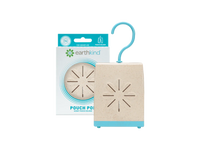
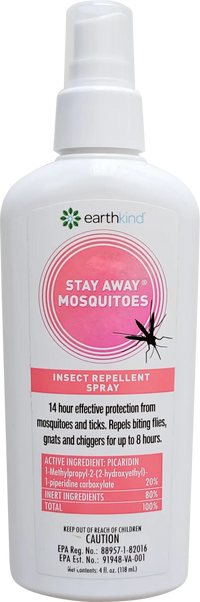
For extra protection against beetles and other household pests, a botanical repellent like EarthKind’s Stay Away® can be used to create an invisible barrier that beetles and bugs will not cross.
The scent of essential oils in Stay Away obscures any appealing aromas of food or scent trails insects may follow into your home without the use of harmful chemicals. Perfect for use around window sills, attics, closets, and food storage areas, Stay Away® helps you live pest-free while staying kind to the planet.


