


Why Are There Suddenly So Many Flies in My House?

A few flies are a little nuisance, but probably not that big of a deal. But how many of them does it take to become a problem? Don’t let a bunch of buzzing bugs take over your house!
No matter the season, flies don’t belong indoors. Understanding why they appear and how to address the issue can help keep your home happy, healthy, and fly-free. In this article, we’ll delve into the reasons behind the sudden influx of flies in your home and provide easy DIY strategies for managing and preventing fly infestations.
Types of Flies You May Encounter in Your Home
When dealing with flies in your home, identifying the various species of flies you may encounter will help you eliminate the problem for good. Each type has unique habits and preferred environments, which can help you manage and prevent infestations more effectively:

1. House Flies (Musca Domestica)
House flies are the most common pests found in homes. They are typically attracted to decaying organic matter such as food scraps, garbage, and animal waste. Their rapid reproduction rate allows them to multiply quickly when conditions are favorable, often leading to large house fly infestations if not promptly addressed.
2. Fruit Flies
Tiny and agile, fruit flies are frequent visitors in kitchens and dining areas. They are drawn to overripe fruits, fermenting substances, and sugary residues. Their small size allows them to easily enter homes and thrive wherever food is improperly stored or left out.
3. Drain Flies
Drain flies, also known as moth flies, are commonly found near sinks, showers, and drains. These flies breed in the moist, organic matter buildup within pipes and drains. Their fuzzy, moth-like appearance makes them easy to identify, and their presence often indicates a need for thorough drain cleaning.
4. Cluster Flies
Cluster flies are unique among household flies as they seek shelter indoors during cooler months. They often gather in large numbers in attics, wall voids, and unused rooms, hibernating until warmer weather returns. Their sluggish movement and tendency to cluster together make them easily distinguishable from other flies.
5. Blow Flies
Blow flies are recognized by their metallic green or blue appearance. They are attracted to decomposing animal matter, including carcasses, which they rely on for breeding. While less common indoors, their presence usually indicates a dead animal or decaying organic matter nearby.
The Life Cycle of a Fly
When you suddenly notice a surge of flies in your home, understanding their life cycle can help you tackle the problem effectively. Flies reproduce rapidly, which is why infestations can appear so quickly.
Flies go through four stages: egg, larva (maggot), pupa, and adult. Female flies typically lay their eggs in moist, organic material like rotting food, garbage, or animal waste. These fly eggs hatch into larvae, commonly known as maggots, within 24 hours. During the larval stage, they feed on the organic matter around them and grow rapidly.
After a few days, the larvae transition into the pupal stage, where they form a protective casing as they develop into adult flies. Depending on the species and environmental conditions, the entire cycle can take as little as 7–10 days, allowing populations to multiply quickly.
Most adult flies live for about 15–30 days, but in that short lifespan, they can produce a lot of flies, hundreds even. This makes it essential to address infestations promptly to prevent rapid growth. If you notice a lot of flies coming from a specific area in your home, investigate and do a deep cleaning in that area to help take care of the problem.
Possible Reasons for a Fly Infestation
Understanding the factors that contribute to a sudden increase in the number of flies within your home can help you take effective preventative measures. Here are several common reasons why you might experience a fly infestation:
Food Sources
Flies are naturally drawn to spoiled or rotting food, overripe fruits, and garbage cans filled with organic matter. These sources provide ample nourishment and breeding sites, making your home an attractive environment for them.
Warm Weather and Open Doors
The warmer seasons bring an increase in insect activity. Open doors and windows, especially without screens, provide easy access for flies to enter your home. They seek out the cool interior and the potential food sources inside.
Moisture and Organic Decay
Damp crevices, leaks, and organic decay create ideal breeding grounds for flies. Stagnant water, moist soil, and decaying plant matter support larvae development. Ensuring your home is dry and free from organic buildup can help mitigate this issue.
Houseplants
While houseplants add beauty and improve air quality, they can also become a breeding ground for houseplant bugs if not properly cared for. Overwatering or allowing plant debris to accumulate can attract flies. Regular care and maintenance of your plants will help prevent this problem.
By addressing these common factors, you can reduce the likelihood of a fly problem and maintain a cleaner, healthier living space.
How to Get Rid of Flies
Effectively tackling a fly infestation involves a combination of strategies to eliminate the pests and prevent their return. Here are a few of our favorites:
DIY Remedies
Utilize items from your kitchen cabinet like an apple cider vinegar solution to deter flies. These hacks can be used in strategic locations to prevent flies from congregating in your home.
Cleaning
Conduct thorough deep cleaning to eliminate breeding grounds and attractants. Pay special attention to spilled food, organic matter buildup, and any areas where flies might find nourishment and places to lay eggs.
Sealing Doors and Windows
Prevent flies from entering your home by sealing gaps and cracks around doors and windows. Ensure that screens are intact and fit properly to keep flies outside.
Maintenance and Prevention
Regularly clean trash cans, garbage disposals, and drains to remove potential food sources. Additionally, address other pest issues promptly, as they can attract flies to your home. Keeping your environment clean and dry will significantly reduce the likelihood of an infestation.
Keeping Insects Away from Your Home
Maintaining a fly-free home requires continued care and preventive measures. By consistently applying these strategies, you will create a less inviting environment for flies and enjoy a cleaner, more comfortable home environment.
By understanding the life cycle and habits of common house flies, you can implement effective control measures. Habits like regular cleaning, proper food storage, and sealing entry points ensure you’ll enjoy a pest-free living environment.
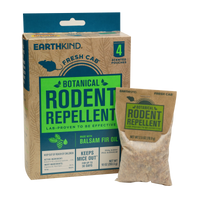
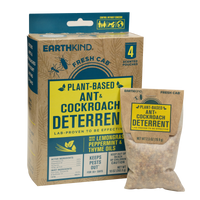
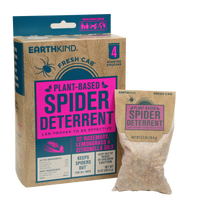
For extra peace of mind when it comes to your home pest control, include EarthKind’s naturally smarter solutions for a range of pests, including ants, cockroaches, mosquitoes, and spiders. EarthKind’s repellents and deterrents are made using botanical ingredients and are safe to use around children and pets when used as directed. Shop in-store or online.


