



Mice and rats carry more than 35 dangerous diseases — including Hantavirus, Salmonella, and Leptospirosis — and they cause billions of dollars in structural, electrical, and automotive damage annually. But while rodents pose serious health and safety risks, many traditional pest control methods introduce a second layer of danger inside your home.
There's a smarter approach: plant-based rodent repellent that drives mice and rats away without poison, kill traps, or toxic chemicals.
The Real Cost of a Rodent Infestation
Because their teeth never stop growing, mice and rats gnaw constantly to keep them filed down — and they don't discriminate between food and your home's wiring, insulation, or structural materials.
Here's what rodent damage actually looks like:
- Vehicle damage: Rodents cause an estimated $3+ billion in automobile damage every year by chewing through engine wiring, brake lines, and insulation. Rodent-related motor claims are rising — one UK insurer reported a 28% increase in claims between 2023 and 2024.
- RV and storage damage: Mice and rats cause over $1 billion in RV damage annually, especially during off-season storage when vehicles sit undisturbed for months.
- House fires: Rodents are suspected contributors to up to 25% of house fires with undetermined causes, due to gnawed electrical wiring hidden inside walls.
- Human bites: An estimated hundreds of thousands of people are bitten by rodents each year — often sleeping children or elderly individuals.
- Food contamination: Rodents contaminate stored food with droppings, urine, and bacteria, making it unsafe for both humans and pets.
- Airborne bacteria: Rodent waste can dry out and become airborne, creating indoor air quality hazards — a particular concern with Hantavirus, which spreads through inhalation of aerosolized rodent excreta.
Rodent problems aren't just inconvenient. They're expensive, destructive, and potentially life-threatening.
Why Traditional Rodent Control Creates New Risks
Before reaching for rat poison or snap traps, consider what you're actually bringing into your home:
- Child poisoning risk: More than 10,000 children are exposed to rodenticides in the United States every year. Bright-colored baits made with peanut butter and grain are designed to attract rodents — but they attract curious toddlers too.
- Pet poisoning: Rodenticides consistently rank among the top ten toxins responsible for pet poisonings, according to the ASPCA. The EPA reports that more than 100 pet deaths from rodenticide exposure are reported annually.
- Indoor air quality: Many chemical rodenticides contain harsh ingredients that can affect the air inside your home, especially in enclosed spaces like basements, attics, and crawl spaces.
- Secondary poisoning of wildlife: When a poisoned rodent wanders outdoors before dying, predators like owls, hawks, and neighborhood cats can ingest the toxin. Studies have found anticoagulant rodenticides present in the liver tissue of virtually all tested raptors in some regions.
- Handling dead rodents: Poison and kill traps leave you to find and dispose of dead animals — which carry disease risk and can decay inside walls, creating odor and bacterial hazards.
- No antidote for some poisons: For certain rodenticides like bromethalin, there is no diagnostic test or antidote if a child or pet is accidentally exposed.
Why solve one danger by introducing another?
Prevention Is Smarter Than Poison
Rodents rely on their sense of smell more than almost any other sense. It's central to how they navigate, survive, and reproduce.
Mice and rats use scent to:
- Navigate their territory — following established scent trails through walls, attics, and crawl spaces
- Locate safe nesting areas — choosing spots that smell familiar and undisturbed
- Find food sources — detecting stored food through packaging and containers
- Identify mating cues — using pheromones to find and attract mates
- Detect predators — recognizing danger through scent signals in the environment
Disrupt a rodent's ability to smell, and you disrupt its ability to survive in that space. That's the science behind botanical rodent repellent — and it's why prevention works better than poison.
How Fresh Cab® Botanical Rodent Repellent Works
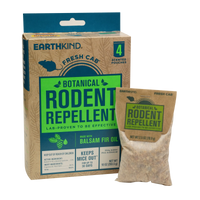
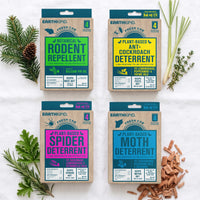
Fresh Cab® Rodent Repellent is the only EPA-registered plant-based rodent repellent on the market. It uses a proprietary blend of botanical oils that interfere with the scent trails and nesting cues rodents depend on.
When their sense of smell is overwhelmed:
- The area feels unsafe and unfamiliar
- Navigation through established routes becomes difficult
- Food sources become harder to detect
- Predator signals become confusing and disorienting
So rodents leave.
Not killed. Not trapped. Not left behind to decay inside your walls.
They simply avoid the treated area — and seek shelter somewhere else.
Fresh Cab works in homes, RVs, vehicles, storage units, garages, sheds, and any enclosed space where rodents seek shelter. And because it's plant-based and EPA-registered, it's been independently evaluated for both safety and effectiveness.
The Bottom Line: Protect Your Home the Smarter Way
Rodents are a real threat — to your health, your property, and your family's safety. But the answer isn't trading one danger for another.
Fresh Cab® Botanical Rodent Repellent offers a proven, plant-based way to keep mice and rats out of your home, RV, vehicle, or storage space — without poison, without kill traps, and without putting your children, pets, or local wildlife at risk.
Frequently Asked Questions About Rodent Prevention
How much damage do rodents cause each year? Rodents cause an estimated $20+ billion in property damage annually worldwide, including over $3 billion in vehicle damage and over $1 billion in RV damage in the United States alone. They are also suspected in up to 25% of house fires where the cause cannot be determined.
What diseases do mice and rats carry? Mice and rats carry more than 35 diseases that can be transmitted to humans, including Hantavirus, Salmonella, Leptospirosis, and rat-bite fever.
Is rat poison safe to use around children and pets? Rodenticides pose significant risks to children and pets. Over 10,000 children are exposed to rat poison annually in the U.S., and rodenticides are among the most common causes of pet poisoning.
What is the best natural rodent repellent? Fresh Cab® is the only EPA-registered plant-based rodent repellent available.
How does Fresh Cab® Rodent Repellent work? It works by overwhelming rodents' sense of smell, disrupting navigation, food detection, and nesting behavior.
Where can I use Fresh Cab®? It can be used in homes, RVs, vehicles, storage units, garages, sheds, cabins, and boats.


