



Common Stinging and Biting Insects to Know About
Insects are an integral part of nature, but some of them can deliver painful stings or itchy bites. Identifying these bugs can help you protect yourself and your family from discomfort and more serious potential health risks.
In this guide, we’ll walk you through some of the most common stinging and biting insects you might encounter, along with several tips to help you recognize their bites and stings.
List of Insects that Sting or Bite
Understanding which insects sting or bite can be crucial for health and safety. While some insects may simply leave you with an annoying itch, others can cause allergic reactions or even spread diseases. Here’s a list of biting and stinging insects you’ll want to recognize to stay safe and aware:
- Ants: Small, social insects that can sting or bite, with some species like fire ants delivering painful stings.
- Bees: Pollinators that generally sting only when threatened, with honeybees dying after stinging.
- Hornets: Aggressive wasps with painful stings, often more dangerous when their nests are disturbed.
- Wasps: Stinging insects that can sting multiple times, known for their aggressive behavior.
- Scorpions: Arachnids with venomous stings, capable of causing severe pain and medical issues.
- Spiders: Arachnids, some of which can deliver venomous bites, such as black widows and brown recluses.
- Mosquitoes: Blood-feeding insects whose bites can transmit diseases like West Nile virus and malaria.
- Ticks: Blood-sucking arachnids that can transmit diseases such as Lyme disease through their bites.
- Bed Bugs: Blood-feeding pests that bite humans, leaving itchy welts, and are notoriously difficult to eliminate.
- Flies: Insects that can bite, like horseflies, leaving painful bites and occasionally transmitting diseases.
- Caterpillars: Larval stage of butterflies and moths, some with irritating hairs or spines that can cause skin reactions.
- Mites: Tiny arachnids, with some species like chiggers and dust mites causing itchy bites or allergic reactions.
Biting and Stinging Insects: Quick Facts
Here’s a closer look at each insect, with key facts to help you recognize them and understand their bites or stings. Knowing what to expect can make it easier to respond quickly and stay protected.
Ants
Many species of ants sting, but not all are harmful to humans. Fire ants are particularly known for their painful stings. The sting can cause a burning sensation, swelling, and even blisters in some cases. If you’ve been stung by a fire ant, clean the affected area and apply a cold compress to reduce swelling.
Bees
Bumblebees and honeybees are two common bee species that sting. However, they generally sting only when threatened, especially when protecting their hive. Bees are critical to our ecosystems, pollinating plants and helping flowers, fruits, and vegetables grow. Honeybees die after stinging, which is why they do so as a last resort.
If you’re stung by a bee, carefully remove the stinger as soon as possible to reduce the amount of venom that enters the skin. Bee stings can cause swelling, redness, and pain.
Wasps
There are various types of wasps, such as cicada killers, mud daubers, paper wasps, and yellow jackets. Wasps can sting multiple times and are known for their aggressive behavior, especially during late summer when food sources become scarce. If you’re stung by a wasp, it’s important to clean the area immediately and apply an antihistamine to relieve itching.
Hornets
Hornets are a type of wasp, but they tend to be more aggressive. Their stings are painful and can cause swelling, itching, and in severe cases, allergic reactions. Hornet stings are common, especially if you accidentally disturb a nest and trigger a swarm. Bald-faced hornets are among the most commonly encountered in the United States.
Scorpions
Scorpions are not insects, but their stings can be incredibly painful. Most scorpion stings are not life-threatening, but some can cause serious health issues, particularly for those with allergies. Immediate medical attention may be necessary if symptoms worsen.
Spiders
Spiders like the black widow and brown recluse are notorious for their venomous bites. Spider bites can cause significant pain, swelling, and in rare cases, more severe symptoms like muscle cramps or fever. It’s important to seek medical attention quickly if you suspect you’ve been bitten by a venomous spider.
Mosquitoes
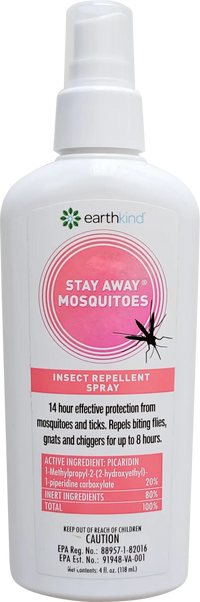
Mosquito bites are more than just itchy—they can also transmit diseases like West Nile virus and malaria. The best way to prevent mosquito bites is by using insect repellents, like Stay Away® Mosquitoes, and wearing long sleeves when outdoors.
Ticks
Ticks are small, but their bites can be dangerous. They attach to the skin and feed on blood, potentially transmitting Lyme disease and other serious illnesses. After spending time outdoors, it’s essential to check yourself and your pets for ticks.
Bed Bugs
Bed bugs feed on human blood, leaving behind itchy welts. These pests are difficult to eliminate once they infest a home. If you suspect bed bugs, it’s essential to act quickly to control the problem.
Flies
Certain flies, such as horseflies and deer flies, can deliver painful bites. These bites are typically more of an annoyance, but they can lead to infections if not properly treated.
Caterpillars
While not commonly thought of as dangerous, some caterpillars have stinging hairs or spines that can irritate the skin. Contact with these caterpillars can lead to rashes, so it’s best to avoid handling them unless you’re sure they’re safe.
Mites
Mites are tiny creatures, but some species can bite humans. Chiggers, for example, are a type of mite that causes itchy bites, while dust mites can trigger allergic reactions. The bites themselves can be uncomfortable but usually don’t require medical treatment unless they become infected.
First Aid for Insect Stings or Bites
If you’ve been stung or bitten by an insect, it’s essential to know how to respond. Start by cleaning the bite or sting site with soap and water. Applying a cold compress can reduce swelling and pain. Over-the-counter antihistamines, hydrocortisone, and calamine lotions can help alleviate itching and discomfort. For more severe reactions, such as difficulty breathing, swelling of the face or throat, or dizziness, seek medical attention immediately.
Preventive Measures
The best way to avoid stings and bites is to be proactive. Use insect repellents, wear long sleeves, and avoid disturbing nests or hives. Pay attention to your surroundings, especially when spending time outdoors. Be extra cautious in areas where stinging insects are common, such as near food, under porches, and around outdoor dining spaces. Check for nests or large numbers of insects before settling into an area.
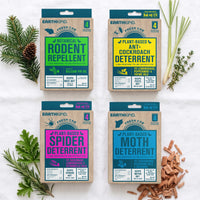
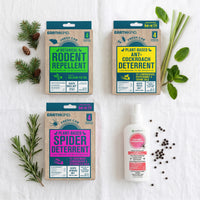
If you’re looking for an alternative to harmful chemical repellents, EarthKind’s full line of pest prevention products—including Stay Away® Mosquitos—offers effective protection without posing a threat to you, your family, or the environment.
By familiarizing yourself with common stinging and biting insects, you can better protect yourself and take appropriate action when needed. Whether it’s using preventive measures or learning first aid, staying informed is the first step to staying safe.


