



Where Do Cockroaches Live & Hide Around the Home?
Cockroaches are one of the most common and resilient household pests, known for their ability to survive in a wide range of environments. Understanding where these pesky invaders live and hide is crucial for effectively managing and preventing infestations. With the right knowledge, you can keep your home cockroach-free and maintain a healthy, happy living space.
The Preferred Habitats of Cockroaches
Cockroaches are incredibly adaptable creatures, thriving in environments that provide them with the essentials: food, water, and shelter. They particularly love dark, moist places, which is why you’ll often find them hiding in some of the most unexpected spots around your home.
Preferred environments can change a bit depending on the type of cockroach as well. Some of the most common types you’ll likely come across in your home include the German cockroach, American cockroach, Oriental cockroach, and brown-banded cockroach. No matter their preferred environment, all of these pests prefer to stay out of sight, making them difficult to detect until their population has grown significantly.
Where Do Cockroaches Live Outside?
Before cockroaches make their way into your home, they often take up residence outside, in areas that provide easy access to food and water. You’ll typically find them in mulch, under rocks, around sewers, and near garbage receptacles. These locations offer everything a cockroach needs: safety from predators, a constant food supply, and ample moisture.
Cockroaches are drawn to these outdoor spots because they offer an abundance of food scraps and organic material. This proximity to potential entry points makes it easier for cockroaches to eventually find their way into your home, especially when the weather changes or they need additional resources.
Why They Come Inside
Your home is a haven for cockroaches, offering them plenty of food, water, and hiding spots. Factors that make homes particularly attractive to these pests include:

- Food sources: Cockroaches are scavengers, and any crumbs or food particles left behind are a feast for them.
- Water sources: Leaky pipes, dripping faucets, and other sources of moisture provide the hydration they need to thrive.
- Shelter: Cockroaches are experts at finding tight, dark places to hide, making them difficult to detect.
- Dark Hiding Spots: They prefer to stay hidden during the day, emerging only at night to feed.
Human activities such as leaving food out, not fixing leaks, and allowing clutter to accumulate create ideal conditions for cockroach infestations. Certain types of cockroaches are more common around homes, and understanding these can help you identify and address an infestation early.
Where Do Cockroaches Hide Inside of a Home?
Once inside, cockroaches seek out the darkest, most concealed areas to make their nests and lay egg cases. Here are some of their favorite hiding spots:

- Kitchen Cabinets: With food nearby and plenty of dark corners, kitchen cabinets are prime real estate for cockroaches.
- Under Sinks: The moisture from leaky pipes creates a perfect environment for cockroaches to thrive.
- Behind or Near Appliances: Warmth and darkness make spaces around stoves, refrigerators, microwaves, and dishwashers particularly inviting.
- Furniture: Cockroaches often hide in or under furniture, especially if it’s seldom moved or cleaned.
- Inside Electronics: The warmth from electronics makes them an attractive spot for cockroaches to hide.
- Bathroom Drains and Cabinets: The moisture and darkness of bathroom cabinets and drains make them ideal hiding places.
- Basements: Basements offer plenty of dark, undisturbed spaces for cockroaches to settle in.
- Storage Spaces: Boxes, clutter, and rarely accessed items create perfect hiding spots for cockroaches.
- Trash Areas: The combination of food scraps and darkness makes trash areas particularly appealing to cockroaches.
Signs and Activity to Look For
Detecting a cockroach problem early is crucial to preventing a full-blown infestation. To spot the signs of cockroach activity, keep an eye out for small, dark droppings that resemble ground coffee or pepper. You might also find egg cases, in which cockroaches typically lay in dark, hidden places like crevices. Another indicator is a strong, musty odor that can permeate areas where cockroaches are active.
If you see a cockroach, especially during the day, it could mean that the infestation is severe enough that overcrowding has forced them out of hiding. Since cockroaches are nocturnal, they’re most active at night, making them harder to spot during daylight hours. Early detection is essential for preventing the infestation from spreading and becoming more difficult to control.
Keeping Cockroaches Away from Your Home
Cockroaches are well-known carriers of pathogens, spreading contamination through their feces and droppings, so removing them from your home should be your top priority.
The best way to deal with cockroaches is to prevent them from getting into your home in the first place. Here are some proactive steps you can take:
- Regular cleaning: Keep your home clean, especially the kitchen, and clean up dirty dishes.
- Sealing crevices: Use caulk to seal any cracks and crevices where cockroaches might enter.
- Fixing drips: Repair leaky pipes and faucets to eliminate sources of moisture.
- Proper food storage: Store food in airtight containers and avoid leaving food out overnight.
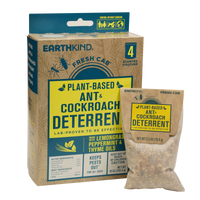
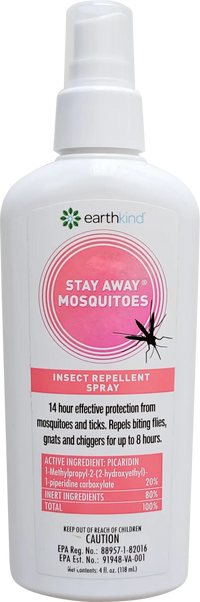
Another effective solution to get rid of cockroaches is using EarthKind’s Ants & Cockroaches deterrent, a fast-acting, plant-based scent pouch that helps keep these pests out of your home. Awareness of cockroach habitats and their behavior is crucial for maintaining a pest-free environment. By taking timely action at the first sign of cockroach activity, you can protect your home and your peace of mind. Find Stay Away® at a store near you or shop online here.
Maintaining a clean and organized home is your best defense against cockroach infestations. Stay proactive, and you’ll keep these unwelcome guests away!


