Getting rid of mice and other rodent infestations is an age-old problem. Some of the alternative methods we have reviewed on this blog include essential oils (like peppermint oil), pesticides, ultrasonic deterrents, glue boards, and mouse traps. However, one solution homeowners seem to often come back to is using the strong smell of mothballs as a mouse repellent. The idea behind this method is to place a few around the entry points of your home or areas where you find nesting materials, and since mice have a powerful sense of smell, their nose will get overwhelmed by the vapors and they will leave the area.
Read on to discover if this DIY tactic is effective and safe for ridding your home or farm of a mouse infestation.

Are Mothballs Effective as a Mouse Repellant?
The two main reasons people use mothballs to address a mouse problem are because they’re cost-effective (they are often pretty cheap) and non-lethal to rodents. You can purchase mothballs in most stores and since they are inexpensive, all you need to do is scatter them around the infested area where you’ve noticed droppings or mouse activity.
Mothballs do contain a strong-smelling substance that could potentially keep mice, cockroaches, rats, and other pests away, however, you need large quantities of mothballs for this method to be effective (and even then, this approach still isn’t guaranteed to be effective). Scattering a few mothballs around your home isn’t powerful enough to deter mice consistently. Also, large quantities of mothballs in close proximity to family and pets can pose serious toxicity risks.
The Dangers and Drawbacks of Using Mothballs to Repel Mice
Even though using this method for mouse repellant may seem easy and inexpensive, there are drawbacks and risks.
Mothballs are made from harmful chemicals like naphthalene or paradichlorobenzene. The CDC has studied naphthalene and linked it to a number of illnesses when inhaled by humans. Paradichlorobenzene has also been shown to cause a number of issues when inhaled, including nausea, vomiting, dizziness, fatigue, and headaches. The amount of naphthalene or paradichlorobenzene present in mothballs could be dangerous. Children and house pets are curious so even if you place mothballs in inconspicuous locations like closets, there’s still a risk of exposure.
A rodent infestation doesn’t always happen indoors. If you use mothballs outside, they may dissolve in the rain or get blown away by gusty winds. The chemicals in mothballs can leach into the soil and water, posing a threat to other animals living outside. Wildlife and pets might come into contact with or ingest these dangerous substances, leading to serious health issues. There are much better, natural outdoor pest control options for keeping pests away.
Simply put, mothballs, whether used inside or outside, are not a proven method of getting rid of mice. Other, more effective scented deterrents are safer to use and will keep these critters away without the added health risks.
Keep your home pest free with simple, effective solutions. Subscribe and save!

Ditch the Mothballs and Discover a Guaranteed Solution to Get Rid of Mice
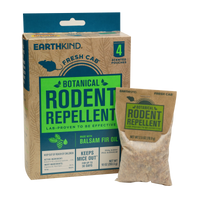
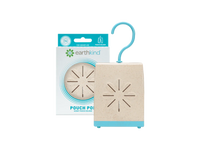
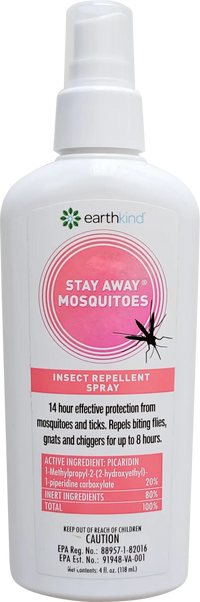
Is there an effective and safe way to get rid of mice? Fresh Cab® and Stay Away® Rodent are botanical rodent repellents that use plant-based ingredients to create a scent that will keep mice away and prevent them from returning. The ingredients in these pouches are harmless to humans and animals (when used as directed), so you won’t need to worry about children, pets, farm animals, or wildlife coming in contact with the product.
EarthKind’s rodent repellents are made from botanical oils and plant fibers. The unique balsam fir oil gives off a nice aroma to humans but will overwhelm a rodent’s sense of smell and repel them from the area. If you want to try out the product for yourself, shop online for Fresh Cab® or find the nearest retailer that carries EarthKind products.