



How to Dispose of a Dead Mouse
What’s worse than finding a mouse in your house? Trying to figure out what to do with it! There’s a dark side to DIY rodent control that no one really talks about—dead animal disposal. It’s not exactly a popular topic, but for your health, safety, and peace of mind, it’s time to get down and dirty with the details.
If you’re tackling a rodent infestation, you might already know about snap traps, glue traps, and bait stations, but have you thought about what you’ll do when the job is done? Getting rid of mice isn’t always easy. Find out what you need to do when dealing with a dead rodent.
Mice are especially common in quiet, cluttered spaces where they can hide, nest, and search for food without much disturbance. Basements, attics, garages, storage rooms, and boxes of seasonal items can all create ideal hiding places for rodents. Warmer winters, expanding suburban development, and easy access to food waste can also contribute to increased rodent activity around homes. That makes prevention, safe cleanup, and proper disposal even more important.
How to Locate a Dead Mouse
Dealing with critters around the house can be challenging. While some household pests are easy to spot, others require serious sleuthing. You might need to use all your senses to find and eliminate a pest problem, including sight, sound, and smell. There are many signs of a rodent infestation, and these clues can help you find a rodent that has died in your home as well.
Mice tend to use the same paths when traveling to or from their nest to find food sources, so you’ll want to look for dead mice in these same key areas inside the home:
● Behind shelves
● Behind furniture
● Along walls
● Attics and crawl spaces
● Behind appliances
● Near storage boxes or shelving
● Where your traps are located
You may notice greasy smudge marks in places frequented by these pests. You can also count on seeing mouse droppings in any place where there has been mouse activity since these critters can produce between 40 – 100 droppings per day! Other warning signs include scratching sounds at night, chewed food packaging or wires, and strong ammonia-like odors near kitchens, pantries, garages, or storage areas. Another tell-tale sign is damage from their constant chewing; mice must gnaw on hard materials often to keep their teeth from growing too long.
If you’re using any kind of trap, that’s obviously the first place to check when looking for a dead rodent. If bait stations have been set out, mice may eat the poison and then return to their nests before dying. This makes the disposal of dead mice very difficult because they often nest in hard-to-reach places such as wall voids, or inaccessible storage areas.
Outside of the home, mice are often found nesting near the engines of vehicles that are parked for long periods of time, or seasonal equipment like lawnmowers, boats, RVs, snowmobiles, and tractor cabs.
Always use extreme caution when it comes to dead animal disposal. Animal carcasses can carry diseases that could make you ill.
How to Get Rid of a Dead Mouse
Dead mice can potentially be dangerous if they are not handled and disposed of properly. These pests can carry diseases that can be transmitted to humans through their urine, feces, and saliva. Some of the diseases include hantavirus, leptospirosis, and salmonellosis.
Furthermore, decomposing mice can attract additional pests such as flies, which can also spread disease. The smell of dead mice can even attract other mice, so it is important to dispose of the dead mouse as soon as possible!
To reduce the risk of exposure to diseases, it is important to handle dead mice with caution and dispose of them in a safe and sanitary manner. The first step is to always use gloved hands, never use your bare hands. Here are the steps you should follow once you’ve found a dead mouse:
● Wear a mask and rubber gloves.
● Lightly spray the dead mouse and the surrounding area with disinfectant before handling.
● Double bag the dead mouse by placing it in a sealed bag or container, then placing the bag inside another sealed bag.
● Place the bag or container in an outdoor trash can.
● Clean up any areas where the mouse may have been with a disinfectant such as bleach and water to reduce the risk of contamination.
● Dispose of the mask and rubber gloves.
● Wash your hands thoroughly with hot water after removing and disposing of gloves.
Can Dead Mice Be Flushed Down The Toilet?
Under no circumstances should you flush a dead mouse down the toilet. There are many potential problems when flushing anything that is not meant to be flushed. Even if the rodent appears small, it may not go down smoothly, resulting in a clog…or worse.
Cleaning Up After A Dead Mouse
Dealing with a dead rodent is only half of the challenge – once you’ve disposed of it, you’ll have some cleaning up to do. The smell of a dead mouse can also be hard to eliminate.
Because of the many serious diseases spread by rodents, the CDC has provided detailed instructions for cleaning up after a dead mouse. Start by airing out the area first if possible. Spray the area with a disinfectant cleaning spray and let it soak for five minutes. Wear gloves, use disposable rags or paper towels, and make sure to seal everything in a bag when disposing of the waste.
Avoid vacuuming fresh droppings or nesting materials directly, as this can disturb contaminated particles. Homeowners who prefer lower-toxicity options may also look for botanical or lower-odor cleaning products when appropriate, especially after the main contaminated area has been safely disinfected.
Removing Mice from Kill Traps
To remove a mouse or a dead rat from a mousetrap, follow these steps:
- Wear gloves to protect your hands from any potential diseases they may be carrying.
- Carefully lift the trap and place it in a plastic bag or container.
- Place the bag or container in a well-ventilated area, such as outdoors.
- Gently shake the trap to release the mouse into the bag or container.
- Seal the bag or container securely to prevent the mouse from escaping.
- Dispose of the bag or container in an outdoor trash can.
- Wash hands thoroughly.
Remember to handle the mouse and trap with care to prevent any injuries to yourself or the mouse. It is also important to dispose of the carcass in a safe and sanitary manner to prevent the spread of any diseases or attract additional pests.
Removing Mice from a Humane Trap
To remove a rodent from a humane trap, follow these steps:
- Release outdoors: If you have caught a mouse in a humane trap, you can release it back into the wild. To do this, simply open the trap and gently push them out onto the ground. Make sure to release the creature at least five miles away from your home to prevent it from returning.
- Transfer to a release box: This is a small, enclosed container that allows the mouse to acclimate to the outdoors before being released. To do this, open the humane trap and gently lift the mouse into the release box. Close the lid and leave the box outside in a shaded area for a few hours to allow them to adjust to the outdoor environment. Once the mouse appears to be active and healthy, you can release it into the wild.
- Contact a local animal control agency or wildlife rehabilitation center: If you do not feel comfortable releasing the mouse yourself, you can contact a local animal control agency or wildlife rehabilitation center to ask for assistance. These organizations can provide guidance on the best way to release them back into the wild.
Why Dead Rodents Are a Bigger Health Concern Today
Recent pest-control trends show that homeowners are becoming more aware of the health risks linked to rodent infestations — especially indoor contamination.
Mice can carry bacteria and viruses through:
● Urine
● Droppings
● Saliva
● Nesting materials
As rodents decompose, they may also attract secondary pests like flies and beetles, while creating strong odors that can linger inside walls, crawl spaces, garages, or HVAC systems.
Health experts continue to warn about diseases associated with rodent exposure, including:
● Hantavirus
● Leptospirosis
● Salmonellosis
That’s why modern pest prevention focuses not on just trapping mice — it’s about safe cleanup, sanitation, and long-term prevention.
Prevent Mice in the First Place
The best way to deal with dead mice is to prevent mice from getting inside in the first place. A prevention-first approach can help reduce the need for traps, cleanup, and disposal later.
One of the best ways to prevent mice from entering your home in the first place is to seal up any cracks or holes that they could potentially use to get inside. Be sure to check the exterior of your home, including the foundation, windows, and doors. If you find any cracks or holes, seal them up with caulk or wire mesh. You can also install door sweeps to help close gaps beneath exterior doors.
You can also prevent them from entering your home by keeping it clean and clutter-free. Mice are attracted to food crumbs and other debris, so it is important to keep your home clean. Store food in airtight containers, keep your garbage can sealed, reduce clutter in garages and attics, and eliminate standing water sources when possible.
If you have a dead mouse in your home, it is important to take care of it as quickly as possible. There are a few different methods that you can use to dispose of a dead mouse, but the most important thing is to make sure that it is done safely and properly.
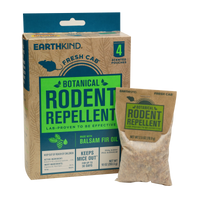
Our Fresh Cab® Rodent Repellent has natural and botanical oils that homeowners and RV owners seek as safer alternatives around children and pets. Shop online or in a store near you.


