






Can Mice Cause Allergies?

You’re sneezing, coughing, and have red, watery eyes. You might think it’s just seasonal allergies, but something doesn’t add up. Your symptoms are persisting, and it’s not the right time of year for pollen. You start to notice some other unusual signs around your home: a foul smell, tiny droppings, chew marks on furniture, or strange rubbings on the walls. Could these be clues pointing to a different kind of allergen exposure?
If you’re seeing signs of mice in your home, these little critters may be causing more than just a nuisance—they might be behind your allergy symptoms. Mice can carry allergens that trigger reactions in sensitive individuals. These allergens can spread throughout your living space, making you feel miserable in your own home.
But don’t worry, you’re not alone in this! Understanding the link between mice and allergies can help you take the right steps to address the issue and start feeling better. Let’s explore how mice can cause allergies, the common symptoms to watch out for, and how to reclaim your home and health.
Can Mice Cause Allergies in Humans?
Absolutely, mice can cause allergic reactions in humans, and it’s more common than you might think. When mice invade your home, they bring along more than just an annoyance—they bring allergens that can affect your health.
Mice allergies can lead to a range of symptoms, from mild discomfort to serious conditions like asthma and hay fever. The primary culprits behind these allergic reactions are proteins found in mouse urine, hair follicles, dead skin, and saliva. These proteins can trigger your immune system, causing all those bothersome symptoms like sneezing, coughing, and itchy eyes.
Mice are constantly grooming themselves and scurrying around your house, which means these allergens can spread everywhere—on your floors, countertops, furniture, and even in the air you breathe. Additionally, mouse feces and nesting materials can also contribute to the presence of allergens. This widespread presence makes it hard to avoid exposure, especially if you don’t realize mice are the source of your discomfort.
Understanding that mice can be the root cause of your allergies is the first step in tackling the problem. By addressing the mouse infestation and cleaning up their allergens, you can start to alleviate your symptoms and breathe easier in your own home.
Common Mouse Allergy Symptoms
When it comes to mouse allergies, the symptoms can be quite varied, making it tricky to pinpoint the exact cause. Here are some common symptoms to look out for:
- Red, watery eyes: Your eyes may become irritated and inflamed, leading to redness and excessive tearing.
- Itching: You might experience itching in your mouth, eyes, nose, and even ears, which can be quite uncomfortable.
- Rashes or hives: Allergic reactions can cause your skin to break out in rashes or hives, which are often itchy and irritating.
- Sinus pain and congestion: You may feel pressure and pain in your sinuses, accompanied by congestion that makes it hard to breathe through your nose.
- Runny or stuffy nose: Constant nasal congestion or a runny nose is a common symptom of mouse allergies.
- Post-nasal drip: This is when mucus drips down the back of your throat, causing irritation and a persistent cough.
- Sneezing: Frequent sneezing fits are a telltale sign of allergies.
- Coughing: A persistent cough can develop as your body tries to clear out the allergens.
- Wheezing: You might hear a high-pitched whistling sound when you breathe, indicating that your airways are constricted.
- Shortness of breath: Allergens can cause your airways to tighten, making it hard to breathe.
- Chest pain or tightness: Some people experience discomfort or tightness in their chest.
The severity of these symptoms can vary from person to person. For some, the symptoms might be mild and merely annoying, while for others, they can be more severe and even life-threatening at high levels of these dangerous particles. It’s important to recognize these symptoms early and take action to address them, especially if you have underlying conditions like asthma that could be exacerbated by mouse allergens.
3 Steps to Take After Discovering Your Mouse Allergy
- Seek medical attention if necessary. Talk to your doctor about managing your allergy symptoms. Your doctor may have you take medication like antihistamines, nasal corticosteroids, or decongestants. They may recommend allergy testing to rule out other causes, such as dust mites, pet dander, mold, pollen, or even cockroaches. If someone has asthma symptoms like trouble breathing, seek emergency services immediately.
- Address the source and get the mice out of your home. If you suspect that you have mice in your home, it’s important to take steps to get rid of them. Learn more about the signs of a mouse infestation and what you need to do to get rid of rodents in your home.
- Check out our guide on how to get rid of mice for more detailed steps. We don’t recommend using common methods like exterminators, traps, mothballs, and rat poison, as they can be harmful, create a big mess, and do not prevent rodent-related risks and damage.
Prevent the Mice from Coming Back
Once you’ve successfully gotten rid of the mice in your home, it’s important to take proactive steps to ensure they don’t return. Here are some effective DIY tips to keep your home mouse-free:
- Seal entry points: Inspect your home for any gaps, cracks, or holes that mice could use to enter. Seal these entry points with caulk, steel wool, or other durable materials to block their access.
- Reduce clutter: Mice love hiding in cluttered areas. Keep your home tidy and organized to eliminate potential hiding spots. Store items in sealed containers and keep areas like basements, attics, and garages clean and dry.
- Remove food and water sources: Make sure to store food sources in airtight containers and clean up crumbs or spills promptly. Fix any leaks or standing water sources that could attract mice.
- Maintain cleanliness: Regularly clean your home, especially areas where you’ve seen signs of mice. Vacuum and dust to remove any potential allergens and deter mice from returning.
- Trim vegetation: Keep bushes, trees, and shrubs trimmed away from your house. Overgrown vegetation can provide cover for mice trying to enter your home.
- Store firewood properly: If you store firewood, keep it at least 20 feet away from your home and elevated off the ground to prevent mice from nesting in it.
Mice can indeed cause allergic reactions, leading to symptoms like sneezing, coughing, red eyes, and even asthmatic flare-ups. If you suspect you have a mouse allergy, it’s crucial to seek medical attention, remove the mice from your home, and take preventative measures to keep them from coming back. By following these easy tips, you can create a less inviting environment for mice and protect your home and health.
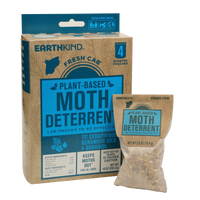
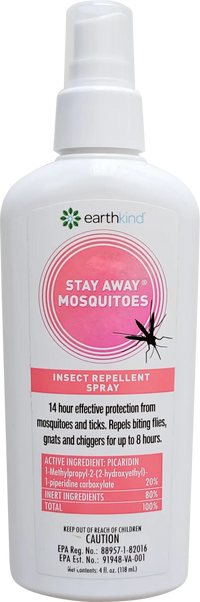
For added peace of mind, check out EarthKind’s naturally smarter solutions to help keep your home pest-free. Our Fresh Cab® and Stay Away® Rodent Repellents are excellent botanical options that use plant-based ingredients to effectively deter mice and other rodents without harming the environment. Visit our Store Locator to find EarthKind® products near you and enjoy a healthy, harmonious, pest-free home.


