


Plants that can Help Keep Mosquitoes Away from Your Garden
Imagine this: You’re out in the yard, working your flower beds. There’s dirt under your fingernails, you can feel the warmth of the sun, and even a little sweat glistening along your hairline. The air is so fresh, you can feel it – oh! Ow! No, that’s not the air you’re feeling, it’s a mosquito bite. You brush it off and try to finish up what you started, but the moment is ruined. You’re no longer alone, enjoying peace and plants. Instead, you’re itching, swatting, and soon to be scratching. What’s a nature lover to do?
Thankfully, natural problems like this often have natural solutions. You don’t need to resort to harmful chemicals to enjoy your outdoor space, but there are a few things you should do. Mosquitoes aren’t just a nuisance, they’re a serious health hazard, carrying diseases like West Nile virus and Zika. Learn more about mosquito-borne diseases here.
Lucky for you, certain garden plants can help keep mosquitoes away—naturally. During mosquito season, using the power of nature is one of the most effective and earth-friendly ways to protect your home and garden.?
Why Use Plants to Repel Mosquitoes?
Some plants naturally produce essential oils and fragrances that mosquitoes find repulsive. By planting these in and around your garden, you can create a no-fly zone for mosquitoes—while also adding beauty, fragrance, and pollinator support to your space.
Natural methods of pest prevention, like using mosquito-repelling plants, are better for your family’s health and the environment. They can also reduce your reliance on chemical sprays or harsh solutions. Think of them as your first line of defense in a layered approach to pest control.

Top 10 Plants That Naturally Repel Mosquitoes
Here’s a list of the most effective mosquito-repelling plants, complete with gardening zones and care tips to make growing them easy and rewarding.
1. Citronella Grass (Cymbopogon nardus)

Often called the “mosquito plant,” citronella grass is one of the most well-known natural repellents. Its strong lemon scent masks the carbon dioxide and body odors that mosquitoes use to locate humans.
- USDA Zones: 10–12 (grow as an annual or bring indoors in cooler zones)
- Growing Tips: Prefers full sun and well-drained soil. Water regularly but don’t let soil get soggy. Pot near patios or entryways for added benefit.
- Bonus Tip: Trim leaves to release more oil and boost its repellent power.
2. Lemongrass (Cymbopogon citratus)

A culinary herb with high levels of citronellal, making it both useful in the kitchen and powerful against mosquitoes.
- USDA Zones: 9–11 (grow in containers and overwinter indoors in cooler climates)
- Growing Tips: Full sun, loamy soil, and regular watering. Can grow 3–5 feet tall in one season.
- Bonus Tip: Divide clumps in spring to propagate easily.
3. Marigolds (Tagetes spp.)

These vibrant blooms produce pyrethrum, a natural insect deterrent also found in some repellents.
- USDA Zones: Grown as annuals in all zones
- Growing Tips:Full sun, average soil, and occasional deadheading for continuous blooms.
- Bonus Tip: Use as a companion plant to protect vegetables from pests.
4. Catnip (Nepeta cataria)

Catnip contains nepetalactone, a compound shown in studies to be even more effective than DEET at repelling mosquitoes.
- USDA Zones: 3–9
- Growing Tips:Drought-tolerant, prefers full sun to partial shade, and grows well in poor soil.
- Bonus Tip: Consider potting to keep growth controlled and avoid attracting too many neighborhood cats!
5. Lavender (Lavandula spp.)

Lavender’s soothing scent repels mosquitoes while attracting bees and butterflies.
- USDA Zones: 5–9
- Growing Tips:Full sun and well-drained soil are key. Avoid overwatering.
- Bonus Tip: Prune back after flowering to promote a second bloom and release more fragrance.
6. Peppermint (Mentha piperita)

Strong-smelling peppermint repels mosquitoes and other garden pests like ants and fleas.
- USDA Zones: 3-11
- Growing Tips:Thrives in sun or partial shade. Moist soil preferred. Use containers to prevent aggressive spreading.
- Bonus Tip: Harvest regularly to keep plants compact and encourage bushier growth.
7. Bee Balm (Monarda spp.)

Striking blooms that support pollinators and help keep mosquitoes away.
- USDA Zones: 3-9
- Growing Tips:Prefers full sun and moist, well-drained soil. Space plants to allow airflow and prevent mildew.
- Bonus Tip: Divide every few years to keep plants healthy and vibrant.
8. Lemon Balm (Melissa officinalis)

A mint family herb with a lemony twist—mosquitoes hate it.
- USDA Zones: 4-9
- Growing Tips:Tolerates partial shade, grows in most soils, and is easy to maintain.
- Bonus Tip: Pinch back stems regularly to encourage bushy growth and prevent flowering (which can reduce oil content).
9. Scented Geraniums (Pelargonium graveolens)

Known for their citronella-like fragrance, these flowering plants are excellent in pots on patios or near doors.
- USDA Zones: 10–11 (grow as annuals or bring indoors in cooler zones)
- Growing Tips:Full sun, light watering, and occasional pruning. Great for containers.
- Bonus Tip: Rub leaves between fingers to release oils before outdoor gatherings.
10. Eucalyptus (Eucalyptus spp.)

A powerful aroma and natural oils make the eucalyptus tree a strong mosquito deterrent.
- USDA Zones: 8–11 (varies by species)
- Growing Tips:Needs full sun, well-drained soil, and space to grow. Dwarf or potted varieties are suitable for smaller gardens.
- Bonus Tip: Use clipped branches as fragrant décor indoors.
Additional Tips for Mosquito Control in Your Garden
While plants are a great start, they work best as part of a broader mosquito prevention plan. Here are a few extra tips to maximize your garden’s pest-free potential:
- Eliminate standing water: This is where mosquitoes lay their eggs. Learn more about their life cycle here.
- Tend to your pool and water features: Here’s how mosquitoes can affect your backyard pool.
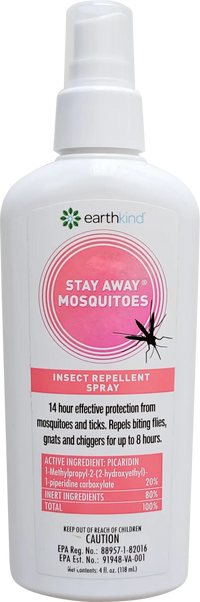
- Use Stay Away® Mosquitoes Spray: When you need extra protection, Stay Away® Mosquitoes offers a DEET-free, skin-friendly solution that repels mosquitoes for up to 14 hours.
- Prune regularly: Clipping back your mosquito-repelling plants helps release more of their fragrant oils.
- Smart placement: Arrange these plants around your outdoor spaces—near doors, patios, fire pits, and seating areas—to form a natural barrier.
For more garden care tips and inspiration, visit our guide to helping your garden grow naturally or explore creative uses for herbs and natural materials.
Enjoy a Pest-Free Garden Today
Creating a mosquito-free garden doesn’t require harmful chemicals or complicated setups. With the right mix of plants and some simple mosquito control habits, you can build a peaceful, pest-free sanctuary that’s as beautiful as it is functional.


